The Year I Stopped Faking Merry at Friendsgiving
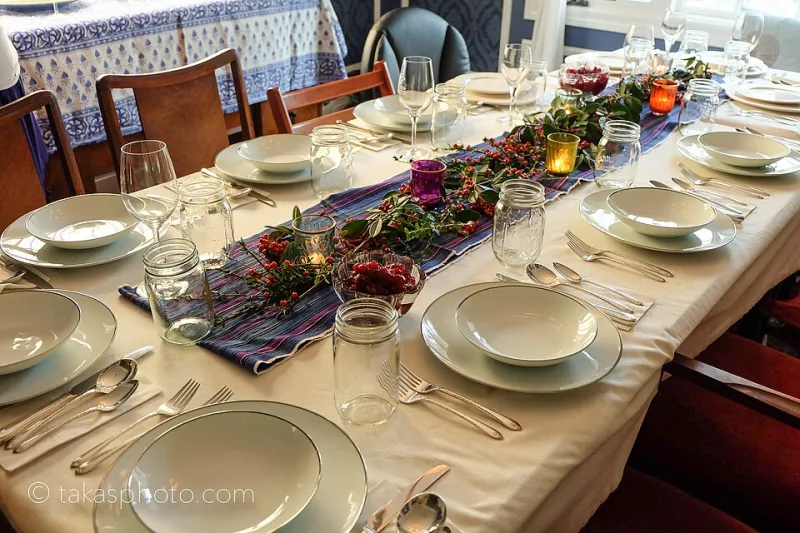
Photo: takasphoto.com, CC BY-SA 2.0, via Wikimedia Commons
I stood on my friend Priya's porch last November with a store-bought pie in one hand and my phone in the other, reading the same text I'd sent three times: On my way. The windows glowed. Someone inside was laughing the kind of laugh that makes a room feel warm. And all I could think was: I do not have it in me to be merry tonight.
That was the first Friendsgiving after my dad died. I had spent weeks telling people I was fine. I had gotten very good at the short answer, the tight smile, the subject change. But a holiday table is a terrible place to hide. Everyone is passing dishes and asking how you've been, and the question lands like a spotlight.
I almost turned around. Instead, I opened the door and learned something I wish someone had told me sooner: you can show up without performing.
The Invitation I Almost Deleted
The Evite had arrived in October, cheerful and full of exclamation points. I stared at it for two days. Part of me wanted to go. Part of me wanted to stay home in sweatpants and let the holiday happen to other people.
What helped was getting honest with one person before I got honest with a room. I texted Priya: I want to come. I'm having a rough season. I might be quiet. She wrote back: Quiet is welcome. So is pie.
That tiny exchange changed the whole night. Not because it fixed my grief, but because it gave me permission to bring it. I wasn't walking into a party as a problem to manage. I was walking in as a friend who had told the truth.
If you're staring down an invitation right now, you don't owe anyone a polished version of yourself. You can RSVP with a caveat. You can ask for a quiet corner. You can say, I'm not sure how long I'll last. The people who matter will make room for that.
The Performance of Fine
Here is what performing cheerfulness costs: it takes the energy you need to actually get through the night. Every I'm good! is a small withdrawal. Every forced laugh is a little more distance between you and the person across the table.
I used to think honesty would ruin the mood. Then I watched a friend at that same dinner lean over and say, I'm glad to be here, and I'm having a hard day. She didn't cry. She didn't make a speech. She just said it, and the table didn't collapse. Someone squeezed her hand. Someone else said, Same, honestly. The room got more real, not less festive.
That's the thing about holiday gatherings: most people are carrying something. The cheerful ones are often just better at hiding it. When you go first, you give everyone else permission to stop pretending too.
The Exit Plan That Saved Me
Before I walked in, I made a deal with myself. I would stay for dinner. I would leave after dessert. I would not sneak out like a burglar, and I would not force myself to stay until the last dish was dried just to prove I was okay.
Having an exit plan is not rude. It's a kindness to your nervous system. It's also a form of self-awareness. Some nights you can stay for hours. Some nights forty-five minutes is a victory.
I also gave myself a hallway pass. If the noise got too loud or the feelings got too big, I could step outside. I could stand on the porch and breathe. I could text a friend. I could sit in my car for five minutes with the heat on. Nobody needed a dramatic explanation. I just said, I'm going to get some air, and that was enough.
Leaving early turned out to be the best thing I did. I drove home with the radio off, and I didn't feel like I'd failed the holiday. I felt like I'd taken care of myself and still shown up. Both things can be true.
Words You Can Borrow
When you're already tired, finding the right words can feel impossible. Borrow these if they help.
- To the host, before you arrive: I'm really glad you invited me. I'm having a hard time lately, and I might not be my usual chatty self. I still wanted to be here.
- At the table, if you need support: Can I sit next to you? I don't need you to fix anything. I just need some quiet company for a minute.
- If you need air: I'm going to step outside for a bit. I'm okay, just taking a breather.
- If you need to leave early: I'm going to head out after dinner. It's not about you, and I'm really glad I came.
- If you decide not to go at all: I'm not up for a big gathering this year. I'd love to see you one-on-one next week if you're free.
None of these are failures. They are communication. They are you staying connected while also staying honest.
If You're the One Hosting
If you're the friend with the table this year, you don't need to be a therapist. You just need to leave room. Don't make a big deal out of someone being quiet. Don't push them to try the punch and cheer up. Offer a seat away from the crowd. Offer a refill. Offer a walk around the block. Let them know they can leave whenever they need to and that you'll be glad they came at all.
And if someone tells you they're struggling, resist the urge to fix it. That sounds really hard is almost always better than At least you're here! The first one says, I see you. The second one says, please be happier so I feel better.
The Chair That Isn't Empty
I used to think an empty chair at the table was a thing to avoid. Now I think it's a thing to acknowledge. My dad wasn't at that Friendsgiving. But I was. I brought his absence with me, and Priya's table held it without making it weird.
This November, if you're the one struggling, you don't have to fake merry. You can show up with your real face and your real feelings. You can bring the pie and the grief. You can stay for an hour and leave. You can decline and order Thai food and call it a holiday.
The point isn't to perform the perfect gathering. It's to stay connected to the people who can handle the real you. And if they can't, that's information too.
You are allowed to be a guest who is also a human being. You are allowed to need things. And you are allowed to let the holiday be smaller, quieter, and truer than the one in the commercials.