The Lamp That Doesn’t Ask Where You’ve Been
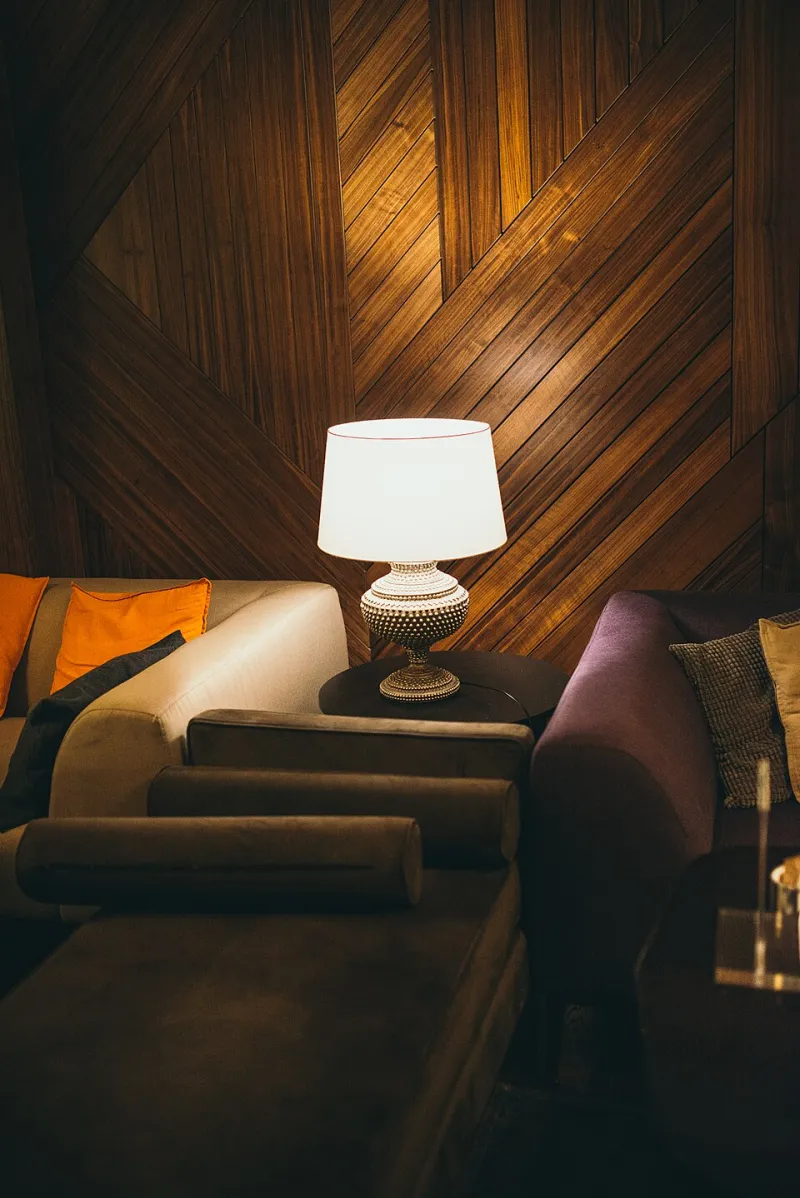
Photo: Shixart1985, CC BY 2.0, via Wikimedia Commons
I noticed the lamp before I noticed the loneliness. It is a squat ceramic thing with a pleated shade, bought at a Goodwill outside Sacramento for $8. It sits on a console table in the hallway, a spot where no one actually sits. Every night around 6:30, I flip the switch. Not because I need the light to get from the kitchen to the bedroom—I know that path by heart—but because the hallway feels wrong without it.
The first time I caught myself doing this, I laughed out loud. Who leaves a lamp on for an empty house? But I kept doing it. By the time daylight saving ended and the dark arrived before dinner, the lamp had become less a habit than a sentence I was speaking to the house.
The Switch I Flip Without Thinking
My mother used to leave the porch light on when I was in high school and working late shifts at a frozen yogurt shop. She never made a thing of it. The light was just there when I pulled into the driveway, a small yellow welcome that said someone had been thinking about me. I did not realize until years later that I had internalized the gesture. Now I am the one leaving a light on, except there is no teenager with a timecard and no car pulling in.
The body keeps the schedule of love even after love changes shape. That is what I think about when my hand finds the switch without my permission. The ritual outlives its original purpose, the way a song can outlive a breakup or a recipe can outlive the person who taught it to you.
What the Light Is Actually Saying
I am not waiting for a specific person. That is the part I had to get honest about. If someone were coming, I would know their arrival time. I would be watching the driveway. The lamp is not a welcome mat. It is a small negotiation with the dark.
Loneliness is rarely dramatic. It is a low hum in the background of an otherwise fine Tuesday. It is the second cup of tea you make because the first one went cold while you were scrolling. It is the way you narrate your day to no one in particular, then catch yourself. The lamp is a stand-in for all the answers that have not arrived: the relationship that has not happened yet, the friend who has not called, the version of my life that feels less quiet.
I do not think the lamp is magic. I do not think it is fixing anything. But I do think it is doing something. It gives my eyes a place to land when the hallway is too empty. It turns the house from a space I am passing through into a place where I am keeping watch. A portable porch, built inside.
The Difference Between Waiting and Hoping
There is a difference between waiting and hoping, and I have spent enough time in therapy to know which one curdles. Waiting is passive. It says: I will stay exactly here until the thing I want arrives. Hoping is active. It says: I will keep the light on, but I will also sit under it.
For a long time, I was waiting. I left the lamp on and walked past it on my way to bed, as if the light itself were doing the emotional labor. Then one night I made a cup of tea and sat in the hallway chair—the one that is mostly for show—and read for twenty minutes under the glow. It felt silly. It also felt like company. I was not waiting for someone to come home. I was home.
That shift did not solve my loneliness. It just made it less of a secret. I stopped treating the lamp as a clue that someone was missing and started treating it as a reminder that I am here, and I am allowed to make the house feel warm for myself.
The Electric Bill as a Love Letter
I know what you are thinking: it is a lamp, not a metaphor. And yes, the LED bulb costs pennies a month. The electric bill is not the point. The point is that I am willing to pay for this small comfort. I am willing to spend a little electricity on the part of me that needs a visible sign that the day is not over, that the house is still occupied, that I have not given up on the idea of home.
Sometimes I think of all the small lights people leave on for reasons they cannot fully explain. The bathroom light for a kid who is afraid of the dark. The kitchen light for a dog who likes to sleep on the cool tile. The string lights left up long after the holidays because taking them down feels like admitting something is over. We are a species of small, glowing rituals. We leave lights on. We keep the porch warm. We hope someone notices.
Turning It Off, Eventually
I do not leave the lamp on every night now. Some nights I turn it off and sit in the dark and let the house be dark. It is okay. The goal was never to eliminate the ritual. The goal was to understand what it was for.
The lamp does not ask where I have been. It does not check the time. It just glows, a small stubborn yes in the hallway. And some nights, that is enough. Not because someone is coming home, but because I am already here.