The Drafts Folder Where I Say Everything I Mean
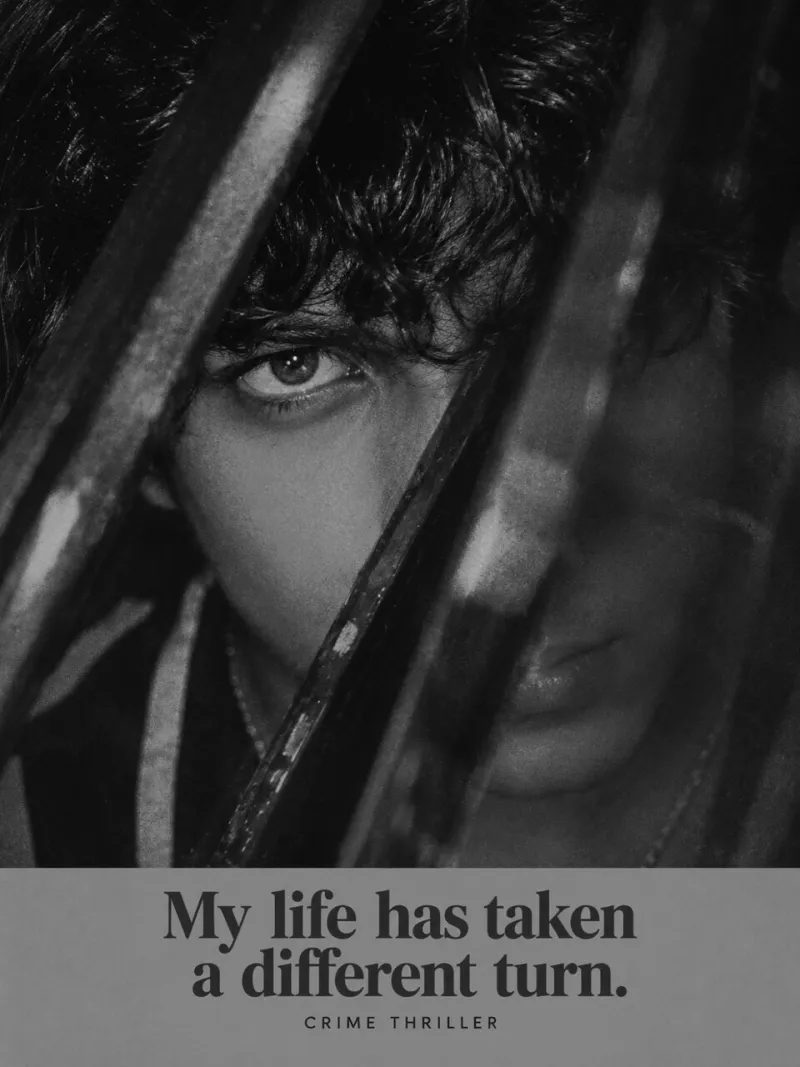
Photo: pranavdevp.m dubbing artist, CC0, via Wikimedia Commons
There's a folder in my email account called "Holding." It has no purpose, at least not one the tech folks at Gmail ever intended. In it live forty-something messages, every single one addressed to a real person, and every single one destined to die unread.
There's the apology to my college roommate, three paragraphs long, written at 1 a.m. in a hotel in Columbus. There's a birthday message to my father that I've rewritten eleven times since 2019. There's a two-line note to a former boss that just says, I think you were harder on me than you needed to be, and I think you knew it.
None of them will ever be sent. That's the whole point.
Writing to the Trash Can
I stumbled into this habit by accident, the way most people do—with a reply typed in anger, thumb hovering over send, the little voice in my head asking do you really want this in writing? I didn't. But I also couldn't just close the app. The words were already out of my body; they wanted somewhere to go.
So I gave them somewhere. I changed the recipient to myself, filed it away, and felt something in my chest unclench.
What surprised me was how quickly it became a practice. Not a coping mechanism I reached for in crisis, but something closer to maintenance. When my sister-in-law said something cutting at Thanksgiving and I spent the drive home composing my rebuttal, I went home and wrote the whole thing out—the sharp version, then the honest version, then the version where I admitted I was mostly hurt and only a little angry. Then I filed it. The next morning, the whole thing felt lighter, like I'd taken out the recycling.
Closure Is a Story We Tell Ourselves
Here's what I've come to believe: the culture is obsessed with resolution. We want the confrontation, the final conversation, the scene where everything gets said and the music swells. Therapy-speak has given us a whole vocabulary for it—closure, holding space, repair. And sometimes those things are real and necessary.
But a lot of the time, closure isn't something another person can hand you. It's something you manufacture yourself, quietly, in a drafts folder at 11 p.m.
The apology I owe my college roommate? Sending it would be for my conscience, not our friendship. We haven't spoken in years, and a message out of the blue would mostly serve to make me feel absolved. Writing it did that already. The birthday card to my father has become less about what I'd say to him and more a record of what I need to hear—that our relationship was complicated, that I loved him anyway, that grief doesn't require a recipient.
The message does its work the moment it's written. Sending it would just be a formality.
What the Folder Taught Me
A few things, in no particular order:
The first draft is always the anger. Every time. The raw, unedited version of what I'm feeling comes out hot and a little embarrassing. If I'd had a send button, that's the version the world would have gotten. The folder gives me the luxury of a second draft—of my own feelings.
Some goodbyes don't need an audience. I wrote one to a friendship that faded rather than ended, the slow-dissolve kind that leaves you with no clear moment to point to. Naming it, even on a screen nobody would see, let me stop waiting for an ending that was never coming.
Unsent is not the same as unexpressed. For years I thought if I didn't say it out loud, it didn't count—that swallowed words just curdled inside you. Turns out expression doesn't require delivery. The heart, it seems, is a terrible judge of whether the recipient field is filled in correctly.
Keep the Receipts
Every so often I reread the folder, usually on a Sunday when the week hasn't started yet and my defenses are low. Some of it makes me wince. Some of it makes me proud—there are sentences in there more honest than anything I've said face to face.
I don't recommend it as a replacement for real conversations. When repair is possible and wanted, do the repair. Pick up the phone. Knock on the door.
But there's a category of things we carry that were never going to be resolved by delivery—an apology to someone who's gone, a truth someone couldn't hear, a love that arrived at the wrong address. For those, the folder is enough. The words get to exist. I get to let go.
And nobody has to open anything.